

SKIN LINE · CONCERNS
Hair loss
Causes, types and options for hair restoration
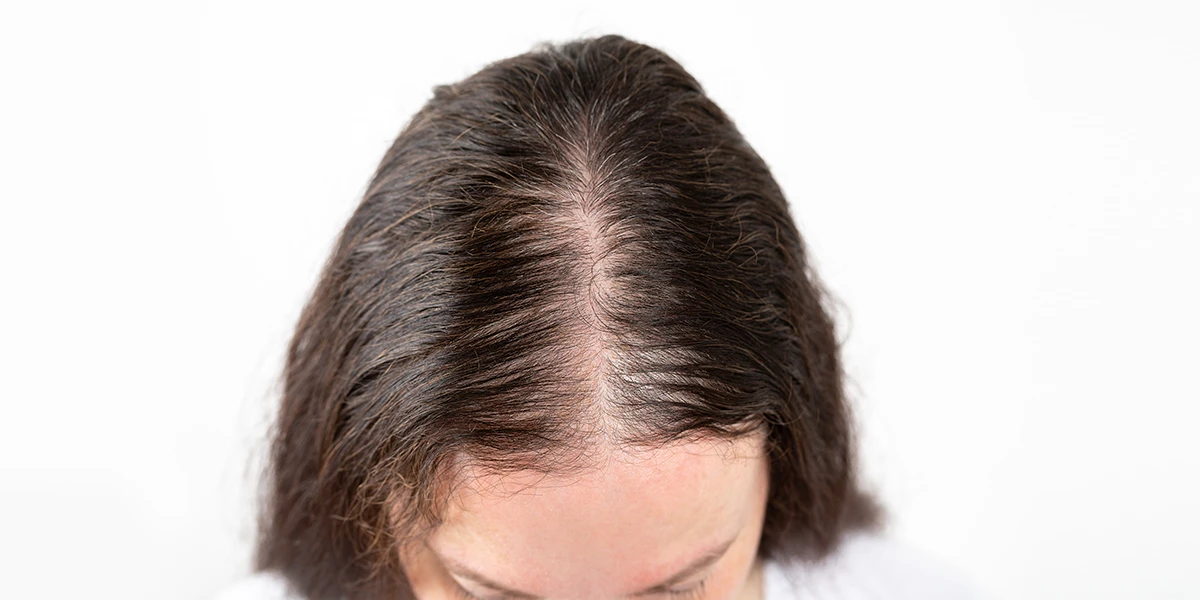
Hair loss is a condition characterised by increased hair shedding, gradual thinning or the appearance of bald patches. The medical term is alopecia. It encompasses various conditions and does not necessarily mean permanent baldness. The loss of individual hairs is part of the normal renewal cycle, but a visible change in density warrants attention.
How does hair loss develop?
Hair follicles go through phases of growth, transition and rest. When more hairs enter the shedding phase or their growth pattern changes, the hair may appear thinner. Sometimes the main problem is hair breakage rather than loss from the follicle. Distinguishing between these is important when choosing a treatment.
Hair loss can affect the scalp, eyebrows, beard or other areas. It may start suddenly or develop slowly. Some forms are reversible, whilst in others early treatment aims to preserve the remaining follicles. There is no single shampoo or treatment suitable for all causes of hair loss.
Main signs and types of hair loss
A gradually widening parting, receding hairline and thinning at the crown may be observed in hereditary hair loss. Increased diffuse hair loss, for example following illness or childbirth, follows a different pattern. Round, smooth patches may indicate alopecia areata, which requires a separate assessment.
A distinction is made between non-scarring and scarring forms. In non-scarring cases, the follicles may retain the ability to grow. In scarring cases, the inflammatory process may cause permanent damage to them. Redness around the hairs, pain, a burning sensation or a smooth, shiny area with no visible follicular openings are reasons not to delay a consultation.
Severe itching, flaking, scabs and broken hairs may accompany an infection or scalp condition. Hair loss caused by constantly tight hairstyles is different from hereditary thinning. It is possible for the two processes to overlap, which may explain why a single treatment does not resolve the entire problem.
Causes and risk factors
Hereditary predisposition is a common cause of gradual thinning in both men and women. Temporary increased hair shedding may occur following a high temperature, surgery, childbirth, severe stress or significant weight loss. This is often noticed some time after the triggering event, which can sometimes make it difficult to recognise the link.
Thyroid disorders, identified nutritional deficiencies, certain medications and inflammatory conditions may also play a role. Hormonal disorders are considered in the context of other symptoms, rather than in every instance of hair loss. Tight hairstyles and aggressive chemical or heat treatments can cause damage and breakage.
Do not stop taking a prescribed medicine on the suspicion that it is causing hair loss without consulting your doctor. Supplements are not an automatic solution. High doses of certain substances can be harmful, and biotin may affect certain laboratory tests. Tests and the use of supplements must be based on a specific medical assessment.
When should you see a doctor about hair loss?
Hair loss may be a temporary consequence of a life event or physiological change, a condition in its own right, or a sign of another problem. A consultation is advisable when there is visible thinning, persistent heavy shedding, or concern about the cause. There is no need to wait until a large portion of your hair has been lost.
A prompt assessment is needed in the event of sudden bald patches, a painful or inflamed scalp, scabs, pus-filled lesions, or if scarring alopecia is suspected. Hair loss in a child should also be investigated. If you experience fatigue, weight changes, an irregular period or other general symptoms, please mention them.
Take photos of the changes under consistent lighting, rather than counting every single hair every day. The number of hairs after washing also depends on how often you wash your hair. The doctor assesses the pattern and progression of hair loss, the condition of the scalp and any accompanying symptoms. If you are pregnant, breastfeeding or planning a pregnancy, the options for medical treatment will be discussed specifically.
Daily care and popular home remedies
Wash your hair according to your scalp’s needs using a gentle shampoo and apply conditioner to the lengths if your hair tends to tangle. Washing your hair regularly does not cause the follicles to stop working. Avoid pulling too hard when combing, very tight hairstyles and excessive heat. Dry and detangle your hair gently.
Maintain a varied diet and avoid extreme diets that lead to rapid weight loss. Taking care of your sleep and general health is beneficial, but does not replace the need for treatment for a specific condition. Protect exposed areas of the scalp from the sun.
Do onions, garlic and oils work?
Homemade mixtures containing onions, garlic, alcohol and undiluted essential oils are not a reliable substitute for medical treatment. They can cause irritation, allergic reactions and inflammation of the scalp. Applying oils to the lengths of the hair can sometimes improve the texture of the hair, but this does not indicate that the follicles are regenerating.
Do not use home-use microneedling rollers on unexplained hair loss. They can exacerbate inflammatory conditions and carry a risk of infection. If you are choosing a cosmetic product, check whether its purpose is to reduce breakage, improve appearance or treat a confirmed type of alopecia.
Modern diagnosis and treatment
The dermatological assessment includes a discussion of the progression, a scalp examination and, if necessary, trichoscopy — an examination under magnification. Tests for deficiencies, hormones or other causes are prescribed on a case-by-case basis. In certain cases, a biopsy is required. A comprehensive battery of tests without a clear focus does not always yield useful information.
In cases of hereditary hair loss, minoxidil may be considered, and other medications may be discussed for suitable patients. These have contraindications and require consistent use. The approach to alopecia areata is different, whilst in cases of infection or inflammatory conditions, the specific cause is treated. Hair transplantation is an option only in carefully selected cases and following an assessment of the stability of the condition.
PRP and other procedures may be used as a supplement for certain forms, but the results are not the same for everyone. There is no justification for treating every instance of hair loss with the same course of treatment. On Skin Line’s hair loss page, the need to first establish the cause is emphasised.
How can we monitor the results?
Clarify what change is expected: a reduction in hair loss, stabilisation or thickening. Hair grows slowly, and assessment takes months. Photographs taken from the same angles are more useful than daily comparisons in different mirrors. Ask when a follow-up appointment is appropriate and what to do in the event of irritation.
Bring a list of medicines and supplements, information on recent illnesses and previous test results. If the treatment is difficult to follow, discuss this. Stopping maintenance therapy may lead to a loss of the benefits achieved and should be planned with your doctor.
A realistic goal is determined on an individual basis. In some forms, recovery is good, whilst in others the main aim is to limit progression. Camouflage products and a suitable hairstyle can help improve comfort whilst medical treatment is ongoing.
Medical source: AAD — diagnosis and treatment of hair loss.
A personalised approach to your skin
Discuss your condition and treatment options with a specialist from Skin Line.
Clinics in Varna, Plovdiv and Sofia.
Treatment options
-
-19%
Morpheus8 against hair loss + ASCE HRLV exosomes
Original price was: 656€.530€Current price is: 530€.Plovdiv, Sofia -
-
-

-

Your care begins with a consultation
Choose a clinic that suits you and get in touch with our team.

