

SKIN LINE · CONCERNS
Sagging skin
Why it occurs and what options are available for skin tightening
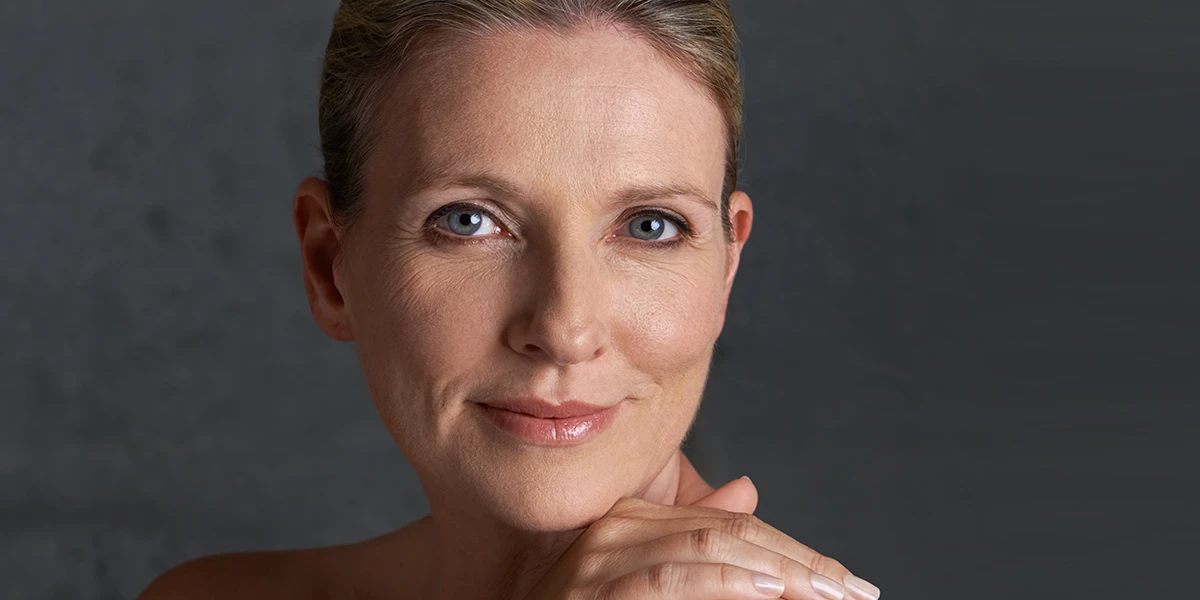
Sagging skin is characterised by reduced elasticity, less defined contours and, sometimes, excess skin. It can be noticeable on the face, neck, arms, abdomen or thighs. It is often associated with natural changes over time, but can also occur following pregnancy or significant weight loss.
What is sagging skin?
The skin has its own supporting structure, which involves collagen and elastin. Over time, these fibres, as well as the subcutaneous tissue and other structures that define the contours, undergo changes. Therefore, visible sagging is not always solely a problem of the skin’s surface. Loss of volume, excess fat and excess skin can all be present at the same time.
Dry skin may appear more wrinkled, but hydration does not eliminate significant excess skin. Similarly, fat reduction does not automatically guarantee skin tightening. Correctly identifying the underlying problem is key to developing a realistic plan. The aim may be to improve skin texture, achieve a moderate improvement in contour, or to discuss surgical options in cases of pronounced sagging.
Signs and types
Changes may include softer and thinner skin, folds, reduced recovery after slight stretching, and sagging in certain areas. On the face, a less defined lower jaw is often noticeable. On the body, the concerns may be most visible on the abdomen and the inner sides of the arms or thighs.
In practical terms, a distinction is made between mild, moderate and severe sagging. It matters whether the predominant change is in skin quality, loss of volume or significant excess skin. Following a significant change in weight, folds may remain that do not respond sufficiently to cream or non-invasive procedures.
Fine lines, cellulite and sagging are not the same thing, although they often overlap. For example, dimples on the thighs may be linked to cellulite, whilst soft folds may be linked to sagging skin. A consultation helps to prioritise treatment, rather than expecting a single therapy to correct all these different changes.
Causes and risk factors
Natural ageing and hereditary factors affect elasticity. Cumulative UV damage accelerates changes in the supporting structure. Smoking is also an adverse factor. The rate and extent of sagging vary from person to person and cannot be determined by a single universal age threshold.
Prolonged stretching during pregnancy or due to excess weight, as well as subsequent weight loss, can leave excess skin. The extent of the change, the duration for which the skin has been stretched, and the skin’s individual ability to recover are all significant factors. Repeated sharp fluctuations in weight make it difficult to maintain a stable body contour.
Physical activity improves muscle tone and general health, but cannot eliminate every excess fold of skin. Diet and sleep are part of overall self-care, but do not guarantee against sagging. Any new, unusual changes in elasticity or other accompanying symptoms should be discussed with a doctor, rather than automatically being attributed to ageing.
Is it a medical condition, and when is a consultation necessary?
Normal age-related sagging is not in itself a medical condition and does not necessarily require treatment. The decision to undergo cosmetic correction depends on personal preference. A medical problem may arise when there is recurrent inflammation, breakdown of the skin, infection or difficulty with movement and hygiene in the skin folds.
Seek advice if you experience such symptoms, and before planning any procedure. Sudden drooping on one side of the face, particularly accompanied by a change in speech or weakness in a limb, is not simply sagging skin and requires urgent medical attention.
During the consultation, please mention any significant changes in weight, previous operations and procedures, existing implants, medical conditions and medications. Pregnancy, an active infection and certain medical conditions may limit the choice of procedure. If you anticipate significant future weight loss, discuss the most appropriate time for the procedure to ensure treatment is not planned for an area that is constantly changing.
Daily care and home remedies
Use sun protection, avoid sunbeds and keep your skin hydrated. These habits help maintain skin quality and limit further damage. A stable weight, a varied diet and regular exercise are beneficial for your overall body shape and for maintaining the results of treatments.
Creams can improve softness and temporarily make fine lines less visible. They cannot replace surgical removal of significant excess skin. Your skincare routine does not need to be complicated or expensive to be effective. Choose products based on how well your skin tolerates them, rather than on promises of an instant lift.
Do massages and homemade face masks help?
A gentle massage can be pleasant, but it is not a proven method for permanently tightening sagging skin. Aggressive pulling, strong suction and home heating treatments can lead to injury or burns. Masks containing egg white or other kitchen ingredients may temporarily create a tightening sensation without addressing the underlying cause.
Do not use home needling or energy-based devices as a substitute for a medical procedure. If you have sensitive skin, dilated blood vessels or inflammation, the risk of irritation is higher. For care of skin folds, follow specific recommendations, particularly if there is weeping or recurrent rashes.
Modern methods for tightening sagging skin
For mild to moderate sagging, methods that use controlled energy to stimulate tissue remodelling may be considered. Radiofrequency and certain laser procedures vary in depth and recovery time. The effect usually develops gradually and is not equivalent to a surgical facelift.
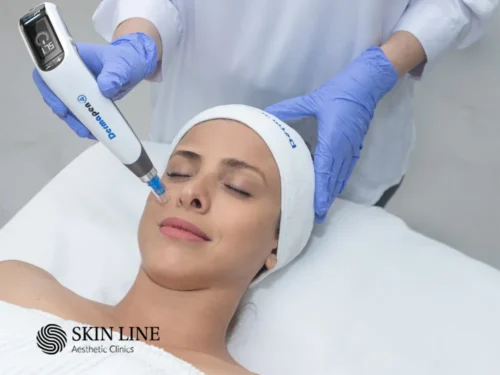
Microneedling energy treatments breach the skin’s surface and require medical assessment and aftercare. Possible side effects include redness, swelling, changes in pigmentation, burns and scarring. The correct settings and the specialist’s experience are crucial for safety.
Options at Skin Line
At Skin Line for sagging skin, radiofrequency and mechanical approaches are available, including InMode Forma, Venus Legacy and LPG. The choice must be tailored to the actual problem. A procedure for fat tissue, such as cryolipolysis, is not an automatic substitute for treatment for sagging skin.
In cases of significant excess skin following weight loss, a consultation with a plastic surgeon may be more appropriate. Sometimes different methods are combined, but each step must have a clear objective. Ask what improvement is likely, how many sessions are planned and how the effect will be assessed.
How should we assess the result?
Photographs taken in the same position, under the same lighting and with the same facial expression are useful. Changes immediately after the procedure may include temporary swelling and do not represent the final result. Clarify when it is reasonable to make a comparison and whether ongoing aftercare is expected.
Take into account the necessary recovery time, your budget and your daily commitments. It is advisable for your plan to include the option of not proceeding with the procedure if the expected improvement is minimal in relation to the effort and risks involved. Aesthetic treatment should align with your goals and maintain realistic expectations.
Medical source: AAD — options for tightening sagging skin.
A personalised approach to your skin
Discuss your condition and treatment options with a specialist from Skin Line.
Clinics in Varna, Plovdiv and Sofia.
Treatment options




Your care begins with a consultation
Choose a clinic that suits you and get in touch with our team.

