

SKIN LINE · CONCERNS
Rosacea
redness, sensitivity and individual symptom management
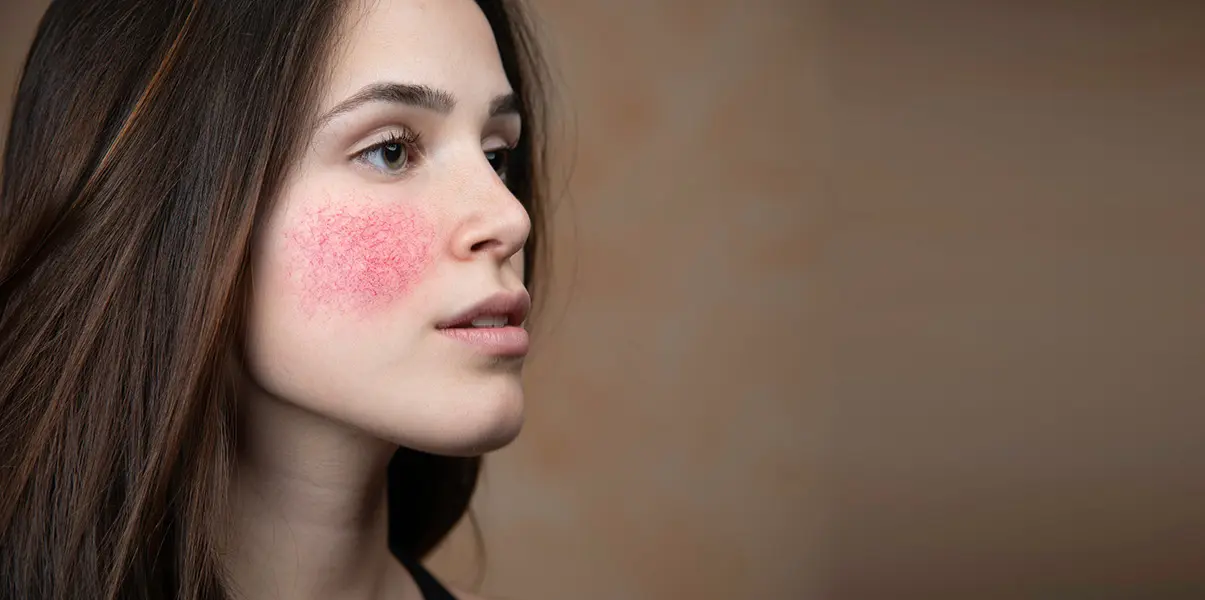
Rosacea is a chronic inflammatory condition that most commonly affects the central part of the face. It can present with recurrent or persistent redness, visible blood vessels, a burning sensation and spots. Some people also experience eye symptoms. The condition is not contagious and is not caused by poor hygiene.
What is rosacea?
Skin affected by rosacea often reacts more strongly to heat, the sun and certain products. Symptoms can flare up and subside. For some patients, the main problem is the redness; for others, it is the inflammatory spots or sensitivity. Therefore, treatment is not the same for everyone.
Rosacea differs from acne, although it may involve similar spots. Strongly drying acne treatments can irritate sensitive skin. The condition occurs across a range of skin tones; on darker skin, the redness may be harder to spot, whilst the burning sensation and changes in texture may be more obvious.
The current aim is long-term control of symptoms and maintaining comfort. There is no universal method that can permanently eliminate the tendency towards rosacea.
Main signs and forms of presentation
Common signs include flushing episodes, persistent redness or discolouration, visible fine blood vessels and sensitivity to skincare products. There may be red spots and pus-filled lesions. Comedones, typical of acne, are not usually a predominant finding in rosacea.
Traditionally, the vascular, papulopustular, phymatous and ocular forms are described. In practice, the manifestations often overlap, and the doctor assesses the specific signs. Phymatous changes include thickening and an uneven texture, most commonly on the nose. They do not occur in every patient.
In cases of ocular involvement, there may be dryness, a burning sensation, a feeling of grit in the eyes, reddened eyelids and recurrent irritation. Ocular symptoms should not be overlooked simply because the skin redness is mild. They may require a joint assessment by a dermatologist and an ophthalmologist.
Similar symptoms may also be observed in other conditions, such as contact dermatitis or seborrhoeic dermatitis. A medical examination helps to avoid prolonged self-medication based on a misdiagnosis.
Causes and triggers
There is no single established cause of rosacea. Its development involves characteristics of the inflammatory response, vascular reactivity, the skin barrier and a genetic predisposition. Micro-organisms and Demodex mites, which are normally present on the skin, may play a role in certain patients, but the condition cannot be explained simply as ‘unclean skin’.
Common triggers include the sun, overheating, hot drinks, alcohol, spicy foods, wind and extreme cold. Stress and physical exertion leading to overheating can also exacerbate symptoms. Not everyone reacts to all the factors listed, and there is no need to impose unnecessary restrictions.
It is helpful to keep a diary with brief notes on flare-ups and the circumstances surrounding them. This helps to identify individual triggers. If redness occurs after using a specific cream or serum, the product should be discussed. Prolonged, unmonitored use of corticosteroids on the face may trigger or worsen such symptoms.
Rosacea does not mean alcohol abuse. Such assumptions are incorrect and may cause unnecessary anxiety.
When should you see a doctor?
Rosacea is a condition that warrants medical assessment, particularly if symptoms are persistent or flare-ups are frequent. Book an appointment if you experience persistent redness, a burning sensation, visible blood vessels, spots or thickening of the skin. Early intervention can improve your comfort and limit unwanted changes.
If you have dry, red or frequently irritated eyes, tell your doctor about the possible link to your skin symptoms. Eye pain, sensitivity to light or blurred vision require an urgent eye assessment. Do not apply creams or medicines intended for the skin to your eyes.
Preparing for a consultation involves compiling a list of the products and medicines you use, taking photographs of more severe flare-ups, and describing likely triggers. Please mention if you have used corticosteroid creams. If the condition affects your social life and self-esteem, this is also part of the assessment.
Sudden redness accompanied by swelling, difficulty breathing or general severe discomfort should not automatically be assumed to be a flare-up of rosacea. In such cases, immediate medical attention is required.
Daily skincare and home remedies
Wash gently with lukewarm water and a mild cleanser. Use a simple moisturiser and a sun cream with SPF 30 or higher that you tolerate well. If you experience a stinging sensation, look for a more suitable formula rather than assuming that the discomfort is necessary for the product to work. Introduce new products one at a time.
Avoid harsh scrubs, brushes, vigorous rubbing and very hot showers. You do not need to stop physical activity: a cooler room, taking breaks and adjusting the intensity may help. Adapt your routine according to your own reactions and discuss any difficult restrictions with your doctor.
How should we approach popular home remedies?
Lemon, vinegar, bicarbonate of soda, alcohol and essential oils are not reliable treatments and may exacerbate irritation. Homemade masks with multiple ingredients make it difficult to identify the cause of a reaction. A cool compress with plain water may temporarily soothe the sensation of heat; do not apply ice directly.
Green-tinted corrective make-up can conceal redness if tolerated, but does not treat the condition. Do not rub vigorously when removing make-up. For eye hygiene, follow the specific instructions of a specialist rather than using random home remedies.
Modern methods for managing rosacea
Treatment is directed at the main symptoms. For inflammatory spots, topical medications such as azelaic acid, metronidazole or ivermectin may be prescribed, depending on individual assessment and the products available. For more severe symptoms, oral medication may also be considered. This is not a self-treatment regimen.
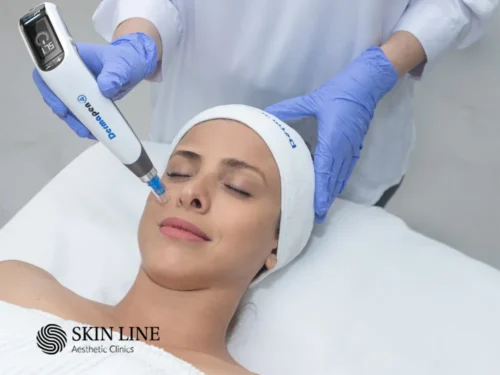
For persistent redness and visible blood vessels, suitable vascular lasers and IPL may be used. These do not automatically treat all other symptoms and are often combined with other treatments. Phymatous changes require a separate treatment approach. In cases of ocular involvement, the treatment plan is determined according to the severity of the condition and the need for consultation with an ophthalmologist.
The approach at Skin Line
On Skin Line’s rosacea page, medicinal and device-based options are presented, including Nd:YAG and IPL. The choice should be made following a consultation. Results, the number of sessions and recovery vary from person to person; a definitive cure or complete elimination of redness cannot be guaranteed for all patients.
Before the procedure, please inform us of any medication you are taking, your skin tone, any sensitivity and previous reactions. Swelling, redness, bruising and pigmentation changes are possible, and incorrect application may cause burns. Follow the aftercare and sun protection instructions.
Long-term follow-up
Ask which symptoms should improve first, when to assess the effect, and what to do in the event of a new flare-up. Once the condition is under control, a maintenance regimen may be necessary. Photographs and brief notes on triggers help to adapt the plan to real-life circumstances. Consistency is usually more beneficial than frequently switching between incompatible products.
Medical sources: AAD — rosacea; AAD — diagnosis and treatment.
A personalised approach to your skin
Discuss your condition and treatment options with a specialist from Skin Line.
Clinics in Varna, Plovdiv and Sofia.
Treatment options
-
-
-
-23%

LASERfacial full face 4 treatments
Original price was: 307€.235€Current price is: 235€.Plovdiv, Sofia -
-

-
Your care begins with a consultation
Choose a clinic that suits you and get in touch with our team.

