

SKIN LINE · CONCERNS
Acne
Causes, types and modern treatment options
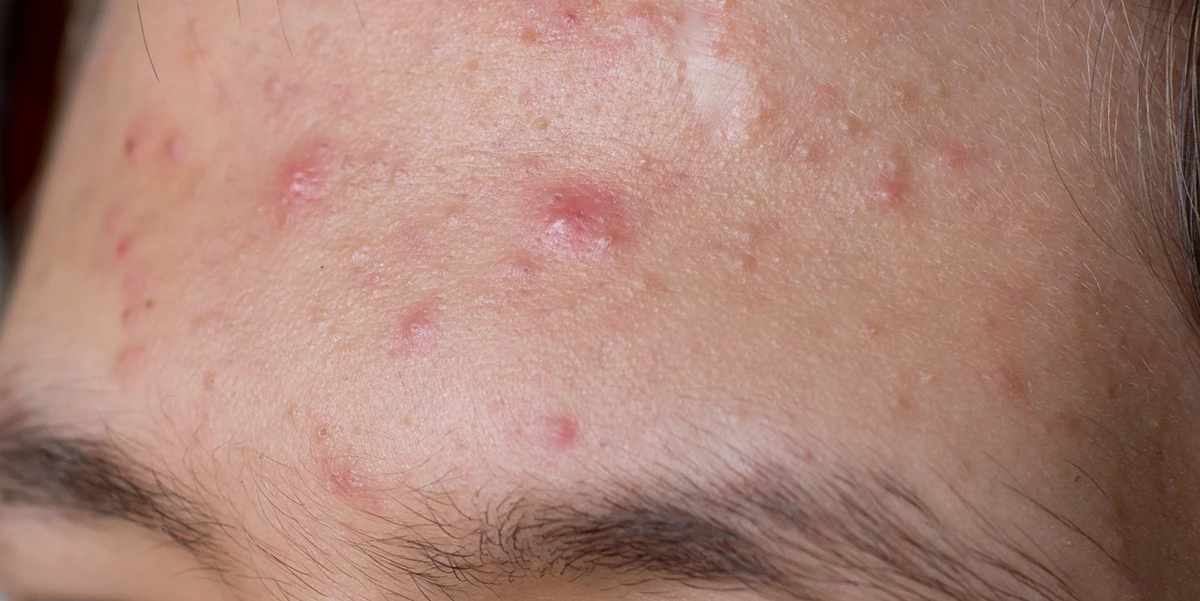
Acne is a common inflammatory skin condition that affects the hair follicles and the associated sebaceous glands. It usually appears on the face, back, shoulders and chest. It may begin during puberty, continue into adulthood or appear for the first time in an adult. It is not a sign of poor hygiene and is not transmitted by touch.
What is acne?
When sebum and dead skin cells build up in the follicle opening, a blockage forms. This leads to the formation of blackheads and whiteheads, known as comedones. When inflammation sets in, red spots, pus-filled spots or deeper, painful nodules appear. The bacterium Cutibacterium acnes is part of the normal skin flora, but contributes to the development of inflammation under the right conditions.
Active acne must be distinguished from the marks it leaves behind. Brown patches and residual redness are not necessarily scars. True scars represent a change in the skin’s texture. The approach to treating them is different and is usually planned once the active inflammation has been brought under control.
Key signs and types of acne
Blackheads are open comedones, whose dark colour results from changes in their contents upon contact with the air. Whiteheads are closed comedones. They may appear as small subcutaneous bumps. Red spots without a pus-filled head are called papules, whilst those with visible pus are called pustules.
In more severe cases, deep, painful nodules may develop, which persist and carry a higher risk of scarring. A person may have several types of lesions at the same time. The severity is assessed according to their nature and number, the affected areas, any scarring present, and the impact on daily life.
Acne is broadly categorised as predominantly comedonal, inflammatory, and severe nodular acne. Pimples associated with rosacea, inflammation of the hair follicles and certain drug-induced rashes may resemble acne, but require a different approach. A photograph or description alone is not always sufficient for a correct diagnosis.
Causes and risk factors
Acne arises from a combination of increased sebum production, blocked follicles, characteristics of the skin’s microenvironment and inflammation. Heredity and the sensitivity of the sebaceous glands to hormonal signals play a role. This explains why the condition is common during puberty and why it flares up around the time of menstruation in some women.
Thick, oily cosmetic products, friction from helmets or sports kit, certain medicines and anabolic steroids may contribute to the development of breakouts. Stress can worsen existing acne. If there is a sudden onset accompanied by an irregular period or increased hair growth, your doctor may assess whether a hormonal evaluation is necessary.
Diet is not the only cause. For some people, certain dietary habits may play a role, but a one-size-fits-all restrictive diet is not the solution for everyone. Monitor any individual links and discuss long-term changes with a doctor. Excessive washing and squeezing often exacerbate irritation rather than addressing the underlying causes.
Is it a medical condition, and when should we see a doctor?
Acne is a medical condition, even when it appears to be merely a cosmetic nuisance. It can cause pain, permanent scarring and significant distress. There is no need to wait until it becomes severe before seeking help. Early assessment helps to limit inflammation and the risk of permanent scarring.
A consultation with a dermatologist is advisable in cases of painful nodules, the appearance of scars, extensive involvement of the back or chest, and when consistent home care fails to bring about improvement. Sudden, unusual rashes, a severe worsening of symptoms following medication, and acne in a young child also require a medical examination.
Please let your doctor know if your condition is causing you to avoid socialising or is affecting your self-esteem. This is an important part of the assessment. If you are pregnant, breastfeeding or planning a pregnancy, discuss any treatment in advance, as some treatments, including retinoids, are not suitable. Do not start taking antibiotics or isotretinoin without a doctor’s prescription.
Daily care and home remedies
Cleanse your skin gently, usually in the morning and evening, as well as after heavy sweating. Use lukewarm water and a gentle cleanser. Brushes, coarse sponges and scrubs can aggravate inflammation. Pat dry gently. Choose a moisturiser and sun cream with SPF 30 or higher, suitable for skin prone to blocked pores.
Do not squeeze spots or pierce nodules. Remove make-up before bed and regularly clean items that come into contact with your face. Introduce new products gradually. Applying too many active ingredients at once increases the likelihood of a stinging sensation, flaking and treatment failure.
Do popular home remedies help?
Lemon, bicarbonate of soda, toothpaste, alcohol and undiluted essential oils are not reliable treatments for acne. They can cause irritation, burns or pigmentation marks. Home care is most valuable when it supports the prescribed treatment. Give the regime time to take effect and discuss any intolerance, rather than constantly changing products.
Modern methods of acne treatment
Treatment is selected according to the type, severity and skin tolerance. Well-studied topical treatments include benzoyl peroxide, retinoids and azelaic acid. Different mechanisms of action are often combined. In more severe forms, the doctor may prescribe systemic treatment. Antibiotics are used sparingly and with appropriate concomitant therapy to reduce the risk of resistance.
In cases of severe, scarring or persistent acne, isotretinoin may be considered under strict medical supervision. For suitable patients, hormonal treatments are also an option. The choice requires an assessment of contraindications, underlying conditions and reproductive plans.
How are results monitored?
During your first consultation, it is helpful to specify how long you have had symptoms, what products you have used, and what has helped or irritated your skin. Bring a list of your medications and photographs of more severe flare-ups if your skin is calm on the day of the consultation. Ask how to combine your treatment with cleansing, moisturising and make-up.
Agree on when to have a follow-up appointment and what to do in the event of an adverse reaction. Monitoring with photographs taken under consistent lighting often helps to identify gradual changes. An improvement does not necessarily mean that the entire skincare routine should be stopped immediately. The maintenance regime is tailored to your tendency to develop new comedones, your skin’s sensitivity and the level of control achieved, so that it is manageable in your daily life.
The Skin Line approach
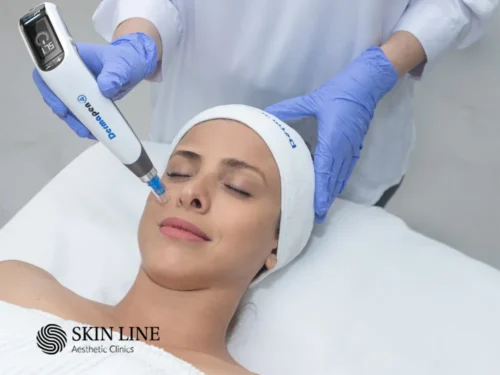
The Skin Line acne page presents dermatological assessment, topical treatments, chemical peels and device-based procedures. These procedures may be used as a supplement in selected cases, but do not automatically replace the primary medication-based treatment. For scars, fractional lasers and microneedling are discussed following an individual assessment.
The aim is to gradually bring the condition under control and maintain the results. The number of visits, the need for maintenance therapy and the recovery period vary from person to person.
Medical sources: AAD — clinical guidelines for acne; AAD — diagnosis and treatment.
A personalised approach to your skin
Discuss your condition and treatment options with a specialist from Skin Line.
Clinics in Varna, Plovdiv and Sofia.
Treatment options
-
-
-
-19%
Morpheus8 against hair loss + ASCE HRLV exosomes
Original price was: 656€.530€Current price is: 530€.Plovdiv, Sofia -
-35%

Mesoestetic peeling for acne, pigmentation, or full-face rejuvenation
Original price was: 92€.60€Current price is: 60€.Plovdiv, Sofia -
-

-
Your care begins with a consultation
Choose a clinic that suits you and get in touch with our team.

