

SKIN LINE · CONCERNS
Hyperkinesia
Causes, symptoms and treatment options
What is hyperkinesia?
Hyperkinesia is a general term for excessive involuntary movements. These may be brief twitches, repetitive spasms, grimaces or more prolonged muscle contractions. The term describes a motor manifestation and is not sufficient in itself for an accurate diagnosis. The cause and type of movement determine the approach to treatment.
When the face and eyelids are affected, the symptoms can interfere with reading, communication and other everyday activities. It is important to distinguish involuntary movements from natural facial expressions. A pronounced frown or the formation of expression lines does not automatically indicate neurological hyperkinesia. This distinction is essential because aesthetic and medical assessments have different objectives.
Is it a medical condition?
Hyperkinesia is a symptomatic category, not a single disease. A brief twitch of the eyelid following a lack of sleep may subside, whilst a persistent facial spasm requires further investigation. The medical significance depends on the cause, duration and impact on function. The outwardly visible nature of the symptom means it is not merely an aesthetic problem.
Even if the movements are painless, they can interfere with vision, work and social well-being. This is reason enough to seek medical advice. There is no need to wait until the condition becomes severe. Conversely, the presence of a slight twitch does not necessarily indicate a serious illness; the aim of the assessment is to avoid both underestimation and unnecessary, anxiety-inducing self-diagnosis.
Main types affecting the face
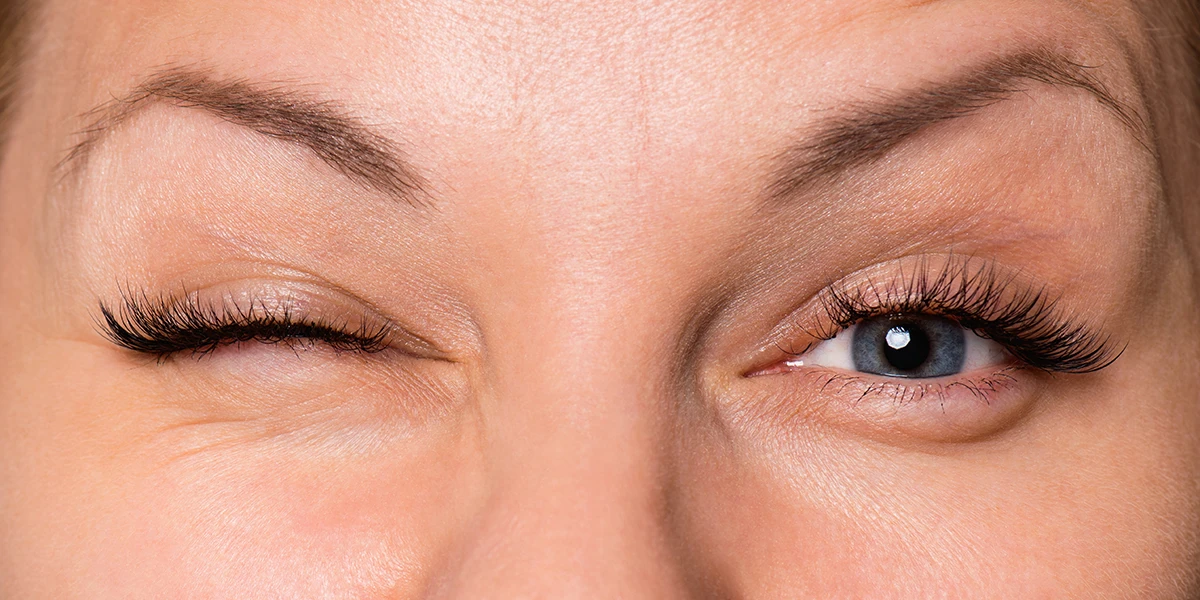
Blepharospasm is a condition characterised by involuntary blinking and spasms of the eyelids. In more severe cases, the eyes may close involuntarily, making it difficult to perform visual tasks. Not every slight twitch of the eyelid is blepharospasm. Fatigue, dry eyes, lack of sleep and excessive caffeine intake can contribute to temporary twitching. National Eye Institute on blepharospasm
Hemifacial spasm affects the muscles on one side of the face. It often starts around the eye and may spread to the cheek and mouth. In some patients, it is associated with a blood vessel coming into contact with the facial nerve. Other mechanisms are also possible, including changes following facial paralysis. Guy’s and St Thomas’ on facial spasms
Tics, other forms of dystonia and drug-induced movements can also affect the face. To the patient, these may sometimes appear similar, but the medical history and physical examination help to distinguish between them. Expressions such as ‘nervous tic’ or ‘my eye is twitching’ are useful for describing the sensation, but are no substitute for a medical diagnosis.
Signs and associated symptoms
Note whether the movement is unilateral or bilateral, brief or prolonged, and whether it occurs at rest or during a specific activity. It is important to note whether there is involuntary eye closure, twitching of the corner of the mouth, or difficulty speaking or eating. Tell the doctor if the symptoms started suddenly or have spread to another area.
Some people may be able to temporarily suppress certain movements, whilst others cannot. This does not mean that the symptoms are voluntary or that the person simply needs to ‘control’ themselves. Comments from those around them can sometimes increase stress. It is helpful for relatives to calmly describe what they have observed and to assist during the consultation, rather than insisting that the movement be stopped through sheer willpower.
Why it occurs
Movements are controlled by a complex interaction between the brain, nerves and muscles. Various disturbances in this system can cause different types of involuntary activity. In some conditions, there is a hereditary component; in others, an acquired cause or a link to medication is identified. Sometimes the cause remains unclear following the initial assessment.
For example, in dystonia, the muscles contract involuntarily and may cause repetitive movements or unusual postures. In myoclonus, the movement is brief and sudden, like a jerk. These are different conditions and should not be treated in the same way simply because both appear to be ‘twitching’. NINDS on dystonia, NINDS on myoclonus
Causes and risk factors
Lack of sleep, stress and stimulants may exacerbate certain symptoms, but do not account for all cases of hyperkinesia. The presence of stress is not sufficient grounds to skip a medical examination. Similarly, symptoms should not automatically be attributed to a magnesium deficiency. The cause is determined based on the specific type of movement and other findings.
A review of your medications is an important part of the assessment. Prepare a list of medicines, supplements and the dates on which doses were changed. If you suspect a link to your treatment, do not stop taking it without consulting your doctor. The doctor will assess whether an adverse reaction is likely and how to safely adjust the treatment plan. Any previous neurological conditions and facial paralysis should also be reported.
When to see a doctor
See a neurologist if you experience recurrent, persistent or worsening involuntary movements. If you have symptoms around the eyes, you may also need to see an ophthalmologist, particularly if you experience dryness, irritation or difficulty opening your eyelids. Do not drive if the spasms cause your eyes to close or interfere with your ability to keep a safe watch on the road.
A sudden change in facial appearance accompanied by weakness, slurred speech, confusion or weakness in a limb requires urgent medical assistance by dialling 112. These symptoms should not be mistaken for a familiar ‘tic’. An urgent assessment is also required for new movements accompanied by loss of consciousness or severe difficulty breathing or swallowing. NHS on sudden neurological symptoms
How the diagnosis is made
The neurologist will establish the onset, progression and nature of the movements and carry out a physical examination. If the symptom occurs in episodes, a short video, filmed safely, may be helpful. Note whether there is a link to tiredness, a specific task or medication. Do not provoke the symptoms through dangerous actions simply to document them.
If hemifacial spasm is suspected, imaging tests may be considered to assess the facial nerve and surrounding structures. For other types of movements, the approach differs. Not every patient requires the same tests. It is more important that the diagnostic plan corresponds to the specific findings. St George’s NHS on hemifacial spasm
Daily care and home remedies
Regular sleep, taking breaks from visual strain and limiting excessive caffeine intake are sensible measures when tiredness exacerbates symptoms. If you have dry eyes, an ophthalmologist may recommend suitable moisturising eye drops. These steps help with comfort but are no substitute for treatment of a diagnosed movement disorder.
Do not put herbal decoctions, essential oils or home remedies into your eyes. Vigorous massage and pressure on the eyelids do not address the cause of the spasm. Magnesium and other supplements are not a universal solution for involuntary movements. If a deficiency is confirmed, its correction is discussed separately, with no guarantee that it will affect every form of hyperkinesia.
When monitoring your condition, briefly note down the frequency and functional effect: for example, whether you can read, work or eat more easily. Avoid constantly checking yourself in the mirror if this increases your anxiety. The diary should support your treatment, not turn your whole day into an observation of your symptoms.
Modern treatment methods
Treatment depends on the precise diagnosis. For certain conditions, medication, specialised behavioural approaches or rehabilitation are used. In selected severe cases, surgical options are considered. For example, in hemifacial spasm with appropriate findings, a neurosurgeon may assess the possibility of releasing the nerve from vascular contact. This is a specialised procedure requiring a separate assessment of the benefits and risks.
Botulinum toxin is an established option for managing certain localised spasms, including blepharospasm and hemifacial spasm. It temporarily reduces the contraction of specific muscles. It is not a universal treatment for all hyperkinesias and does not necessarily address the underlying cause. The choice of muscles and follow-up are determined by the specific diagnosis. NHS – treatment for hemifacial spasm
Injections around the eyes may cause temporary weakness, drooping of the eyelid or visual discomfort. The plan should include guidance on when to seek medical advice and how to assess the effect. Medical use differs from aesthetic treatment of expression lines. NHS – information on botulinum toxin for blepharospasm
If you are seeking a consultation at Skin Line regarding involuntary facial movements, please have your neurological assessment and treatment history to hand. Before choosing a procedure, it must be clear which condition is being treated and which specialist will be monitoring it. The aim is to improve function and comfort, with realistic expectations regarding the temporary effects of symptomatic treatments.
A personalised approach to your skin
Discuss your condition and treatment options with a specialist from Skin Line.
Clinics in Varna, Plovdiv and Sofia.
Treatment options
Your care begins with a consultation
Choose a clinic that suits you and get in touch with our team.

